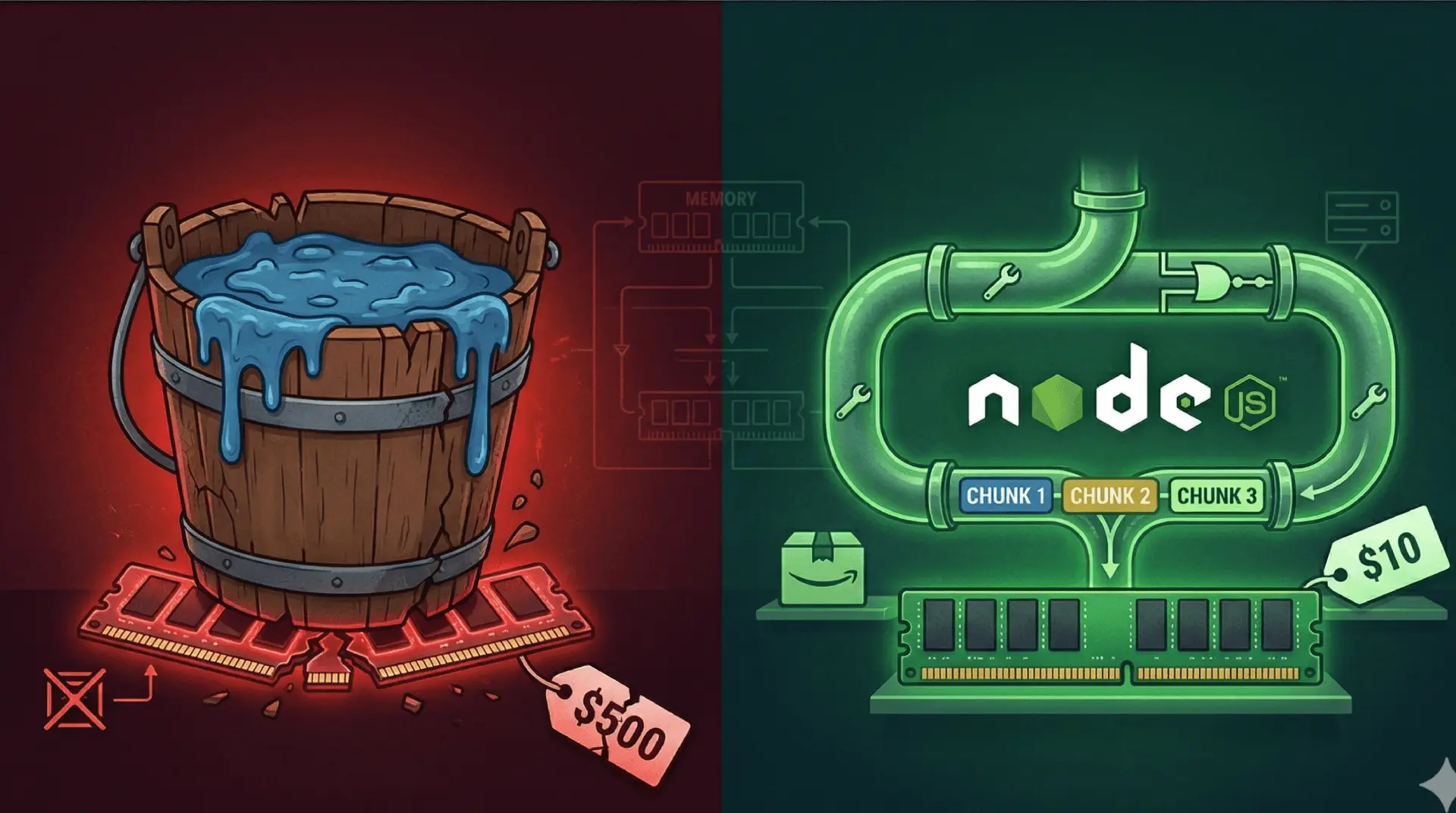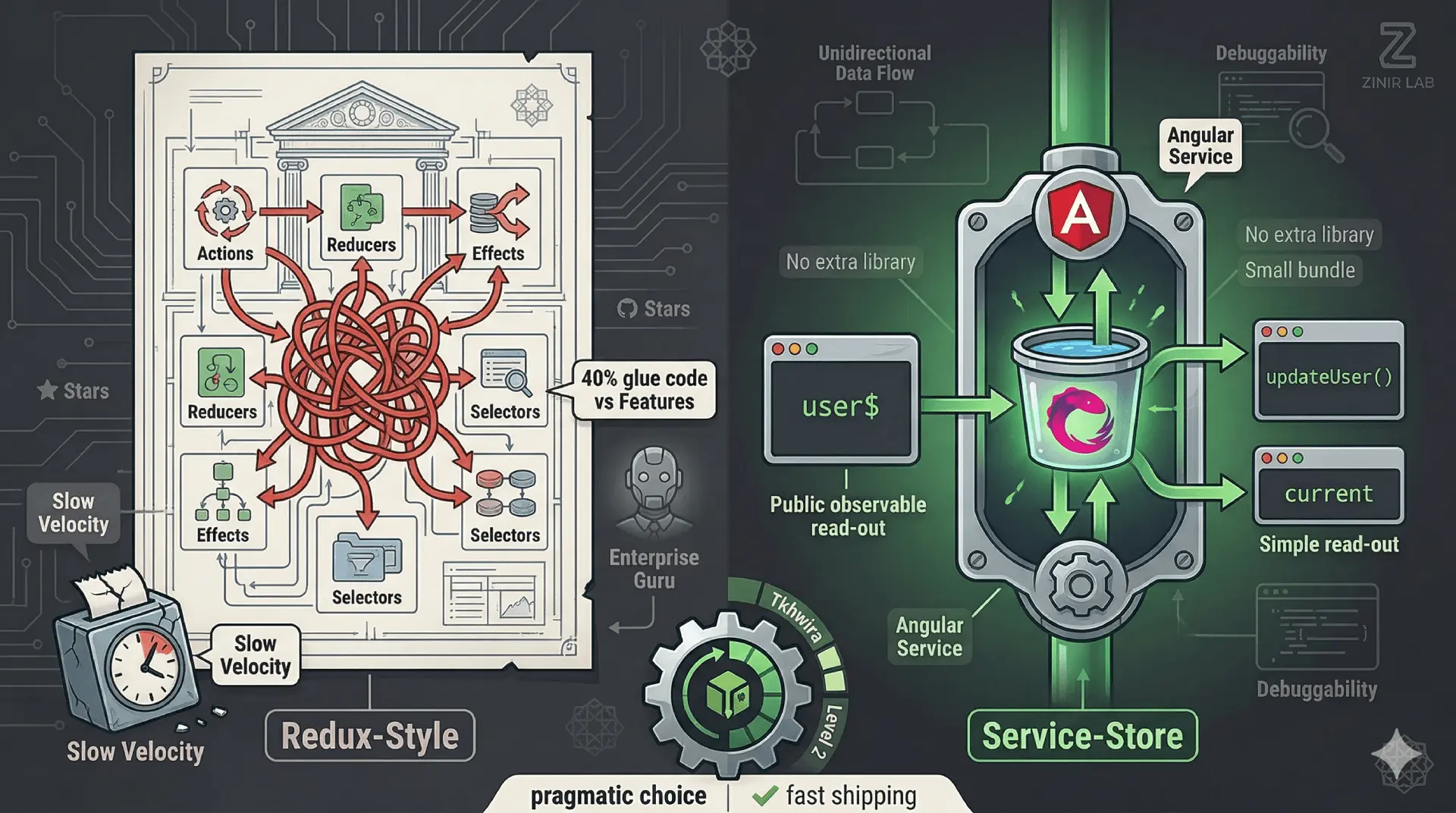
In the world of "Perfect Architecture," everything is a microservice. You split your logic into 50 Lambdas, your data flows through SQS, and you decouple everything until you can't even trace a single request without three different monitoring tools.
But here’s the reality I’ve seen after a decade as a Tech Lead: Complexity is a tax. And sometimes, the most "modern" solution is just an expensive way to over-engineer a simple problem.
The "Resume-Driven" Microservice
We’ve all been there. You want to use the latest AWS features because they look great on a CV. You split a simple Node.js API into ten microservices.
Then the Sda3 starts:
- Latency: Your services spend more time talking to each other than processing data.
- Cognitive Load: Instead of fixing a bug, you’re debugging IAM roles and VPC peering.
The Strategic Tkhwira: Sometimes, the best architectural move is to delete the microservices and put everything back into one clean Node.js process. It’s not "legacy"—it’s efficient.
The Lambda Trap
Serverless is brilliant... until it isn't. I’ve seen teams migrate to Lambda to "save money," only to realize that API Gateway costs can exceed the compute itself, and Cold Starts make your Angular frontend feel like it’s running on a dial-up connection.
Quick Hits: Real-World AWS Tkhawer
- The Lambdalith: Wrap your entire Express API in one Lambda. One cold start, routing stays in code, zero sda3.
- S3 as a DB: Need to store a 50kb config? Don't provision DynamoDB. Drop a
.jsonin S3 and fetch it on startup. It’s $0. - The Bastion Tkhwira: Use a $3 t3.nano and an SSH tunnel for RDS access instead of a $30/mo Client VPN.
The GhiKankhewer Rule: Architecture is about trade-offs. If you have 100 users, you don’t need Kubernetes. You need something that works today and doesn't break your bank account tomorrow.